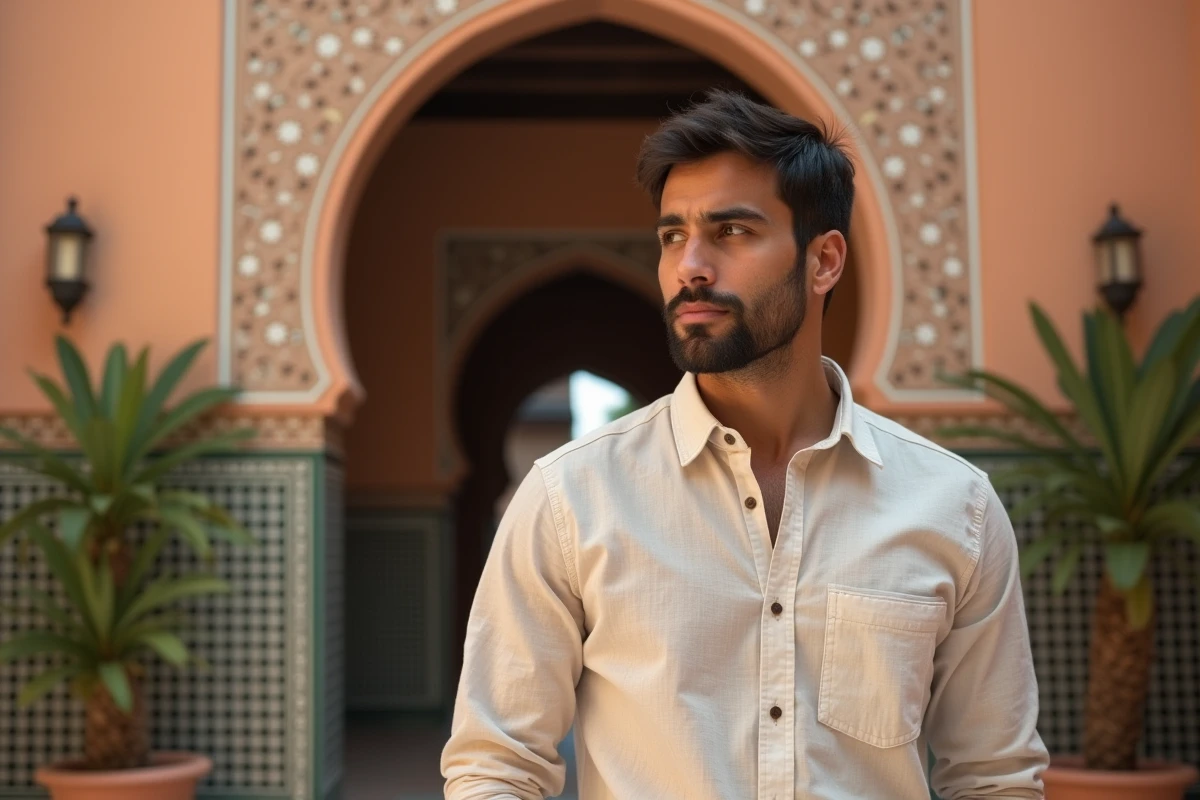
Moustafa El Oudi and Marwa Cheikh are two figures whose names frequently circulate on French-speaking social media, although their backgrounds are not always well documented. Their roots, anchored in the Maghreb diaspora, intertwine with professional trajectories built across several countries. Tracing their origins requires piecing together familial, geographical, and cultural elements that are often scattered.
Maghreb Diaspora in Canada: A Political Framework That Changes the Game
The journeys of Moustafa El Oudi and Marwa Cheikh cannot be understood without the context in which they gained visibility. Since 2022, the Canadian federal government and several provinces have increased funding for programs aimed at creators from the Maghreb diaspora. Scholarships, residencies, cultural incubators: these initiatives target the representation of racialized minorities in the arts and the creative economy.
The Federal Action Plan to Combat Racism 2023-2026, published in 2023 by the Government of Canada, frames part of these measures. Provincial programs supporting diverse cultural industries complement the initiative. It is in this fertile ground that profiles like those of Moustafa El Oudi and Marwa Cheikh find a wider resonance than before.
Several articles discuss the origins of Moustafa El Oudi and Marwa Cheikh, mentioning Moroccan roots, sometimes Tunisian, but without detailing how these public policies have accelerated their media presence. The visibility of these two personalities is due as much to their personal journeys as to a changing institutional environment.

Moroccan Roots of Moustafa El Oudi: What Public Narratives Do Not Specify
Moustafa Mohamed El Oudi is often presented as a French entrepreneur of Moroccan origin. This description, repeated from one article to another, remains vague. It says nothing about the family context, the region of origin in Morocco, or the circumstances of settling in France or Canada.
The available data do not allow for precise localization of his birthplace or that of his family. Accessible sources are limited to generic mentions. In the absence of detailed public statements from the individual, any more precise claim would be speculative.
This ambiguity is not unique to Moustafa El Oudi. Many personalities from the Maghreb diaspora have their biographies simplified by online media, which reduce complex trajectories to a single country of origin. The reality often involves family migration paths over several generations, with stages in various French-speaking countries.
Marwa Cheikh Between Tunisia and Francophonie: A Trajectory to Reconstruct
Marwa Cheikh is associated either with Morocco or Tunisia depending on the sources. This hesitation reflects a recurring difficulty in the media coverage of personalities from the North African diaspora: geographical origins are often conflated.
Some publications mention recent collaborations between cultural actors from Morocco, Tunisia, and France, in which Marwa Cheikh would be involved. These trans-Mediterranean dynamics remain poorly documented in the articles dedicated to her.
- The available biographical narratives do not clearly distinguish between birthplace, family residence, and country of professional activity.
- The lack of primary sources (in-depth interviews, official documents) makes it difficult to reliably reconstruct her trajectory.
- Existing articles often reproduce the same formulations without providing new verifiable information.
The trajectory of Marwa Cheikh illustrates a blind spot in online journalism: the proliferation of content does not equate to factual depth. Each new article rephrases previous ones without enriching the documentary base.
Social Innovation and Community Entrepreneurship: An Underdocumented Axis
Several Canadian municipalities and support organizations published project presentations on social innovation between 2024 and 2025. These programs, such as community hubs or urban social innovation, directly relate to the type of activity associated with Moustafa El Oudi and Marwa Cheikh.
The articles circulating about these two personalities remain on a general biographical narrative. The social and solidarity economy dimension of their activity is neither named nor analyzed. This gap prevents understanding the true nature of their influence on their community.
Community entrepreneurship led by members of the Maghreb diaspora in Canada follows a different logic from traditional entrepreneurship. It articulates economic value creation and strengthening social ties within populations often marginalized in traditional structures.
- Cultural incubators funded by the provinces target projects with measurable social impact, not just profitability.
- Maghreb associative networks in Canada serve as intermediaries between public institutions and project leaders.
- Visibility on social media amplifies the reach of these initiatives but does not replace in-depth journalistic coverage.
Digital Influence and Limitations of Available Sources
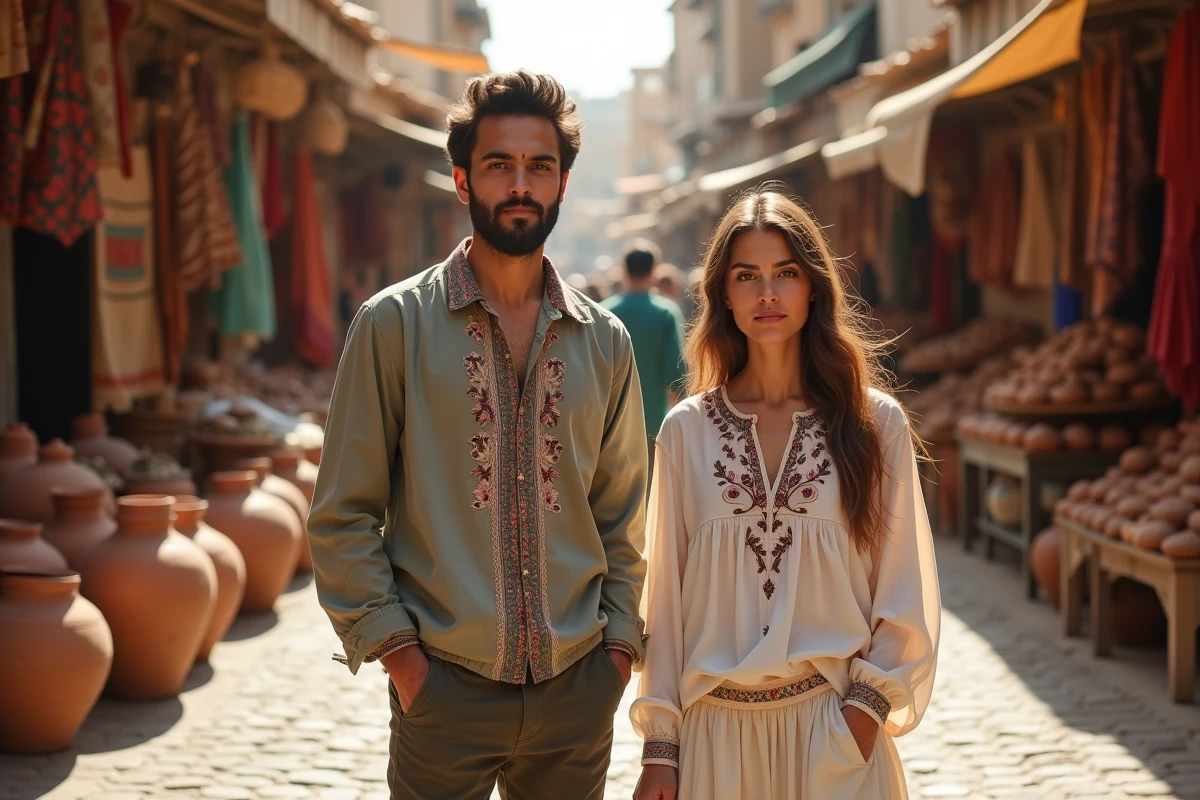
Moustafa El Oudi and Marwa Cheikh enjoy a notable presence on social media. This visibility generates a volume of content that gives the impression of abundant documentation. In practice, most articles repeat the same elements without identifiable primary sources.
The digital influence of these two personalities relies on classic mechanisms of the new generation of French-speaking creators: regular publication, community anchoring, identity themes. Their online success has not yet translated into in-depth media coverage in traditional press.
Field feedback varies on the actual extent of their impact. Some observers attribute them a role as cultural intermediaries between the Maghreb and the North American Francophone world. Others believe their notoriety remains confined to small circles on digital platforms.
As long as journalistic investigations or documented interviews do not complement the picture, the story of Moustafa El Oudi and Marwa Cheikh will remain partial. Their roots, whether Moroccan or Tunisian, constitute a starting point, not a complete answer to the question of their journey.