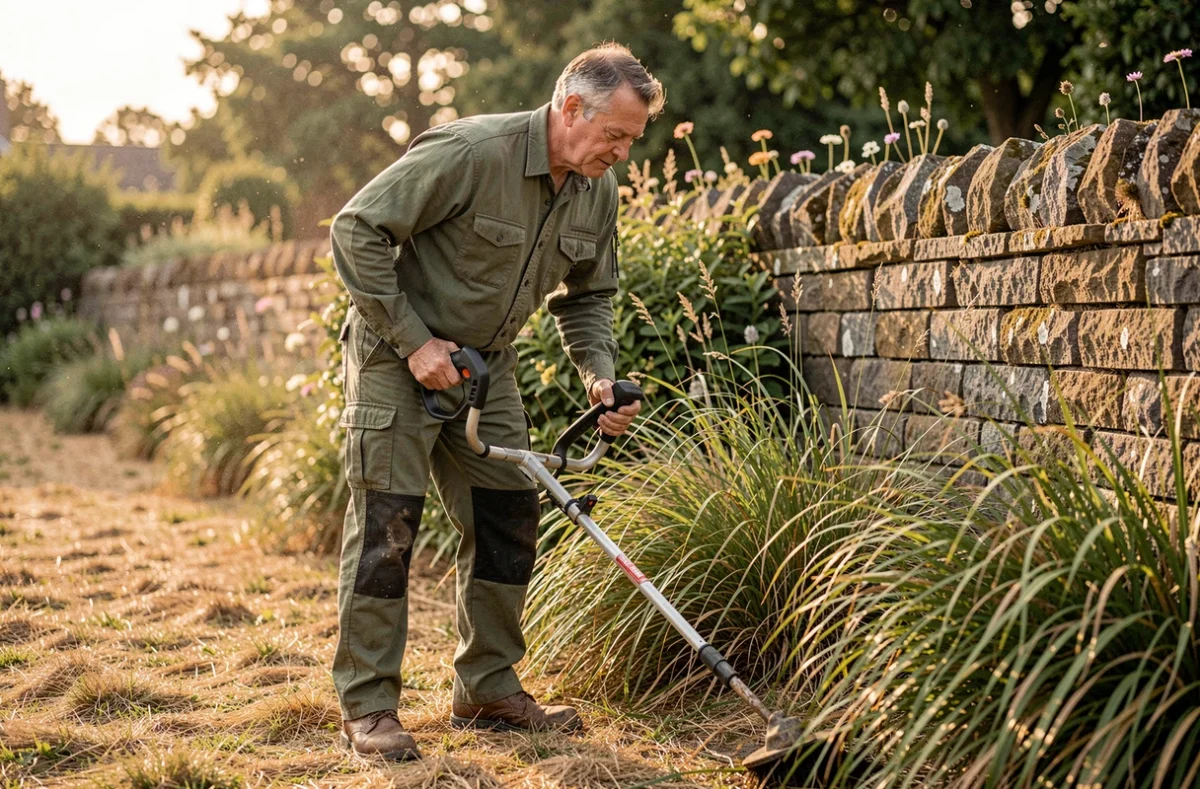
The brush cutter market covers a wide range, from small electric models to professional-grade gas-powered machines. Choosing a brush cutter means weighing several factors: the actual area to clear, the type of vegetation, how often you’ll use it, and local regulations. Before comparing power sources, first decide whether buying, renting occasionally, or hiring a contractor makes the most sense.
How often you’ll use it and legal requirements: two factors to consider before choosing a machine
Most buying guides jump straight to engine type or cutting width. The challenge is that actual needs vary from one garden to another—and sometimes from one municipality to another.
In some areas, particularly those at risk of wildfires, clearing vegetation is a legal requirement, not just routine garden maintenance. Requirements vary by location and may apply to strips of land around homes. Before choosing equipment, check with your local town hall to see whether the rules apply to you: the area to be cleared and the required frequency will directly affect the size of machine you need.
If you only need to clear a small plot a few times a year, renting is a sensible option. Renting a professional-grade machine as needed gets the job done without taking up garage space or requiring winter maintenance. By contrast, a property that needs several passes each season may justify buying a machine, provided you choose one suited to your actual needs. Detailed comparisons, such as those available on ma-debroussailleuse.com, let you compare technical specifications model by model before making a decision.
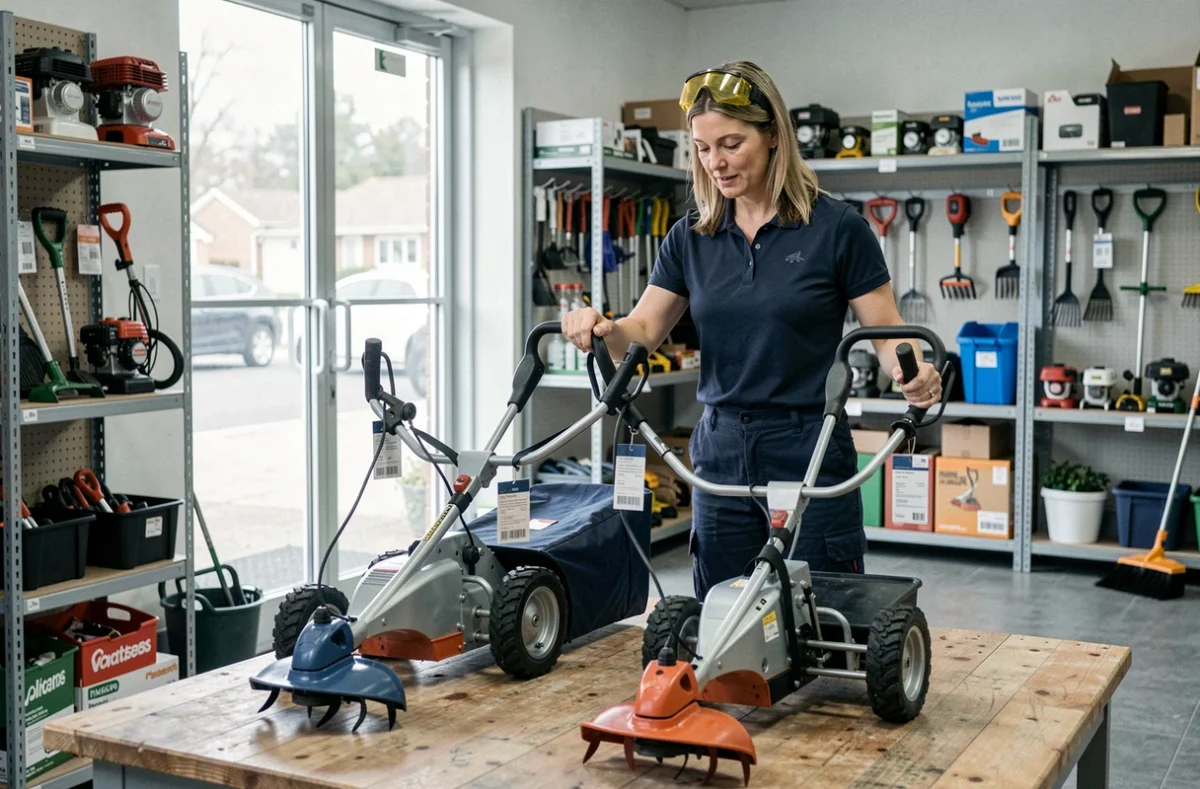
Gas, corded electric, or battery-powered brush cutter: what the power source means in practice
Choosing a power source isn’t just about raw power. It also affects the machine’s weight, noise level, runtime, and maintenance requirements over time.
Gas engine: power and noise considerations
Gas-powered brush cutters remain the most versatile choice for large properties and dense vegetation, such as brambles, woody brush, and tall grass on slopes. Their runtime is limited only by the fuel tank.
The downside: noise and exhaust emissions are significant considerations. Permitted hours for using noisy garden equipment are set by local and regional regulations, which vary from one municipality to another. Following these hours does not mean you can make excessive noise through prolonged or repeated use. Check local rules before choosing a gas-powered model if you’ll be working in a densely populated residential area.
Corded electric: lightweight, but limited range
A corded electric brush cutter is suitable for areas close to the house where there’s an accessible power outlet. The motor is quieter, the machine is lighter, and maintenance is minimal. The main drawback is the cord, which limits your working area and makes it harder to maneuver around trees and flower beds.
Battery-powered: an increasingly capable compromise
Battery-powered models are gaining runtime and power with each new generation. For regular trimming in a medium-sized garden—along borders, around hedges, and in areas the mower can’t reach—a battery-powered model offers a good balance of mobility and quiet operation. For thick vegetation or large areas, runtime remains the limiting factor: consider getting a spare battery if the manufacturer offers one.
Cutting width, line head, or blade: match the cutting tool to the vegetation
The cutting head determines what a brush cutter can actually cut and under what conditions.
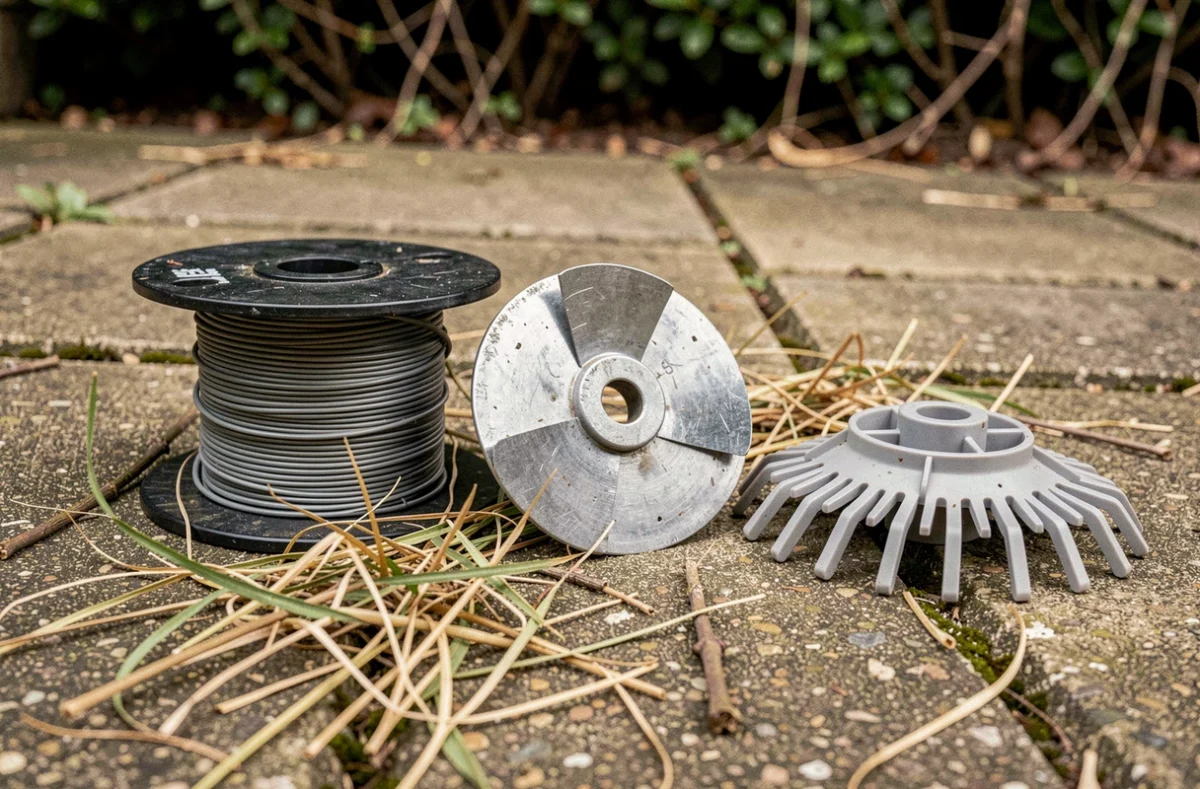
- Nylon line is enough for soft grass and lawn edging. It wears quickly on woody stems and won’t cut through thick brambles.
- A three- or four-tooth blade tackles brush, young shrub growth, and semi-woody vegetation. It requires a suitable harness and a machine powerful enough to keep from stalling.
- Combination heads that accept both line and blades offer flexibility if you switch between trimming and seasonal clearing.
Cutting width matters too: a wider head speeds up work in open areas but makes the machine less maneuverable in tight spaces or on slopes. A cutting diameter that’s too large for a small garden makes the job harder rather than faster.
Weight, harness, and ergonomics: what makes a difference during longer sessions
One factor that buying guides often underestimate is comfort over a full work session. A professional gas-powered brush cutter can weigh considerably more than an electric model, and you’ll feel the difference after the first half hour.
The harness is not a minor accessory. On gas-powered models or those with heavy batteries, a double-shoulder harness distributes the weight across both shoulders and reduces strain on your back. Entry-level models supplied with a simple strap can cause uneven fatigue, limiting how long you can work effectively.
An adjustable handlebar and ergonomic grip affect cutting precision, especially on uneven ground or slopes. If you’re working on a slope, try the machine before you buy: a poorly balanced brush cutter makes the job tiring and less precise.
Choosing a brush cutter for your garden involves more than comparing spec sheets. How often you’ll actually use it, local noise restrictions, and long-term comfort matter just as much as engine power or cutting width.
A machine that’s too powerful for occasional use takes up space and costs more to maintain, while an underpowered model used on thick brambles will wear out prematurely. The right choice lies at the intersection of these factors—not in the most impressive spec sheet on the shelf.