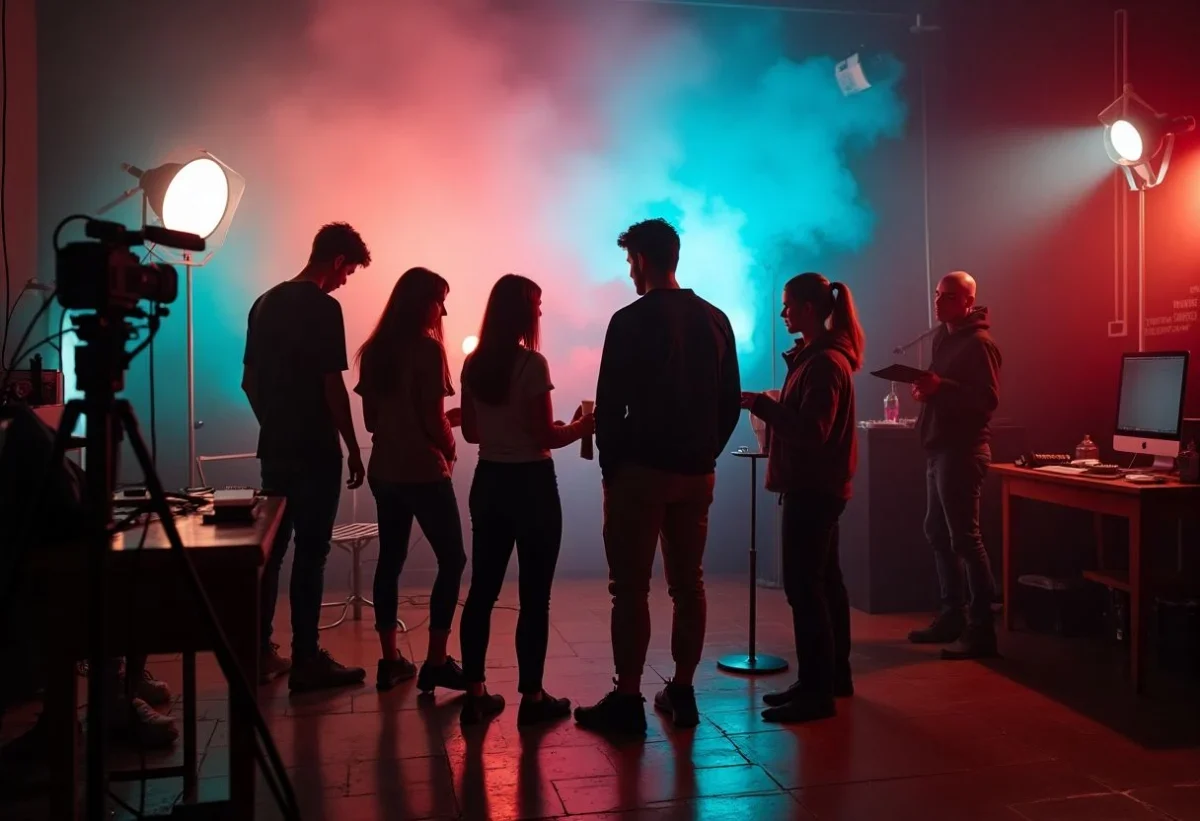
In the world of the seventh art, the passion for storytelling through a lens often finds its roots in the educational journey of the future filmmaker. This realm, where dreams come to life in images, requires a deep understanding not only of shooting techniques but also of a multitude of artistic and technical disciplines. Renowned directors and genius cinematographers have often traversed the stages of film training, perfecting their craft over the years. It is a journey that begins with the acquisition of essential skills, continues through creative experimentation, and crystallizes in the unique personal expression of each artist.
The different types of film training
There is a diversity of paths for those wishing to embark on a career in film. Institutions and programs vary considerably, catering to the needs and aspirations of future professionals.
- Specialized film schools: These institutions, often nationally or internationally renowned, offer comprehensive programs covering all aspects of film, from camera techniques to production. They allow students to fully immerse themselves in the cinematic universe.
- University programs: Offered by certain universities, these generally fall within broader curricula in arts or communication, emphasizing solid theoretical knowledge combined with regular practical experience.
- Continuing education centers: These structures offer short and intensive modules, ideal for those who wish to train quickly or specialize in a specific area of film.
- Workshops and internships: Provide an immediate hands-on approach, often led by active professionals who share their expertise directly in the field.
Essential skills acquired during film training
Behind every successful film lies a multitude of skills that film professionals must master. These skills are often developed and refined throughout the educational journey.
Technical skills are at the heart of any film training. Mastery of equipment, whether it be the camera, editing software, or sound equipment, is essential to bring an artistic vision to life. A Film training generally includes specific modules on each technical aspect of shooting and post-production.
At the same time, artistic skills are also developed. Creating a film is not limited to technique; it also requires a deep understanding of narrative elements, art direction, and visual style. Students learn to analyze cinematic works, explore different genres, and develop their own artistic signature.
Finally, interpersonal skills are emphasized. Working as a team is essential in film. Projects require meticulous coordination among various departments. Collaboration, leadership, and project management are therefore crucial elements that students acquire during their training.
Succeeding in a film career: advice from professionals
The path to a successful film career is as varied as the films themselves. Here are some tips inspired by industry professionals to guide aspiring filmmakers.
- Networking: Cultivating relationships is essential. Participating in festivals, joining associations, and engaging in collaborative projects are all ways to build a strong network.
- Experimentation: Never be afraid to experiment and take creative risks. It is often in innovation that the greatest successes are found.
- Continuous learning: Film is constantly evolving with new technologies. Staying updated with the latest technical and artistic advancements is vital.
- Perseverance: The path to success is strewn with obstacles. Determination and passion for the art are the driving forces that enable one to overcome challenges.